



Ferries for the island of Hvar ¦ Maps

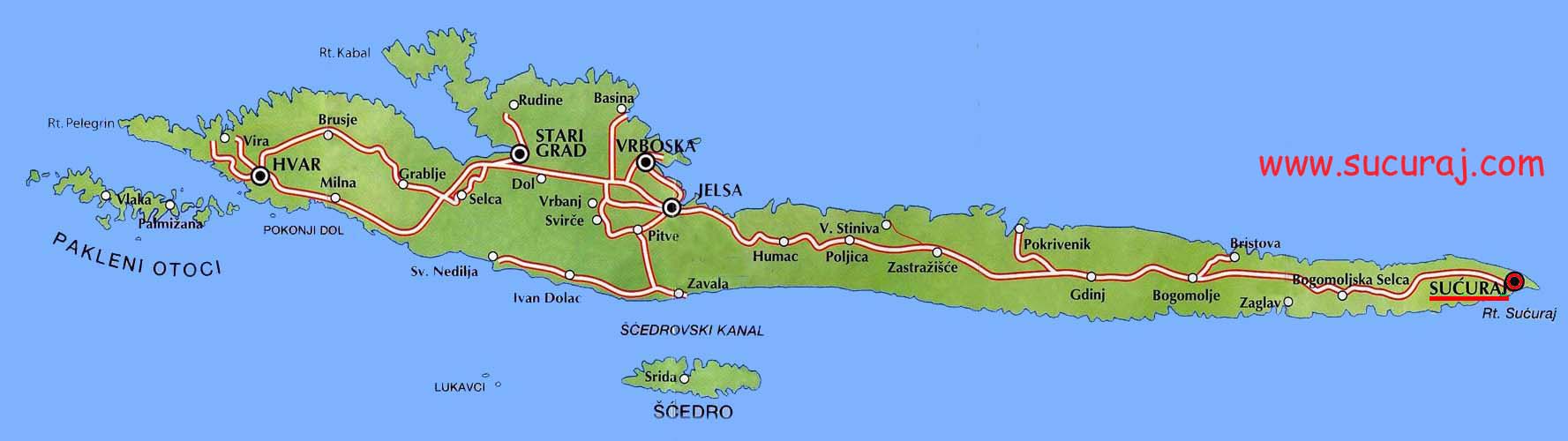
Sućuraj is located on the east cape of the island of Hvar (central Dalmatia, Croatia) and is a settlement on the island closest to the mainland. It is located 3 nautical miles (5 km) from the mainland and 77 km from the town of Hvar.
The simplest way to come to Sućuraj (for those not already located on the island of Hvar) is by ferry from Drvenik on Makarska Riviera. The ferry takes 30 minutes; it leaves 6 times a day in winter and 10 or 11 times a day by summer timetable. If necessary, when it is very busy, which is often the case during the height of the season, the ferry leaves more frequently. The ferry dock in Sućuraj is located near the town centre. The departure timetable can be found here.
Drvenik is located on the Adriatic tourist road, 96 km southeast from Split and 120 km northwest from Dubrovnik. If you are coming via Croatian's main highway A1 from Zagreb, Rijeka or Split, you should take the exit number 29 (Zagvozd) and then follow the traffic signs to Makarska. After you have passed through the St. Ilija tunnel (4248 meters), connect to Adriatic tourist road (D8), pass thru Makarska and drive another 30 km. Drvenik is 45 km away from Zagvozd highway exit. If you are coming from Dubrovnik, Mostar or Sarajevo, you should reach Ploče and then drive another 25 km northwest.
Sućuraj can also be reached by boarding a ferry from Split to Stari Grad, and then drive another 61 km, but the trip is longer and more expensive. If you are coming by ferry from Italy to Stari Grad, the trip to Sućuraj via Stari Grad is then a better option.
If you are traveling by plane, the best option is to land at Split airport, although the Dubrovnik airport isn't much further away. If you are coming by train from Zagreb, you can reach Split. The bus from Split to Dubrovnik goes regularly, and passes through Drvenik. A direct bus line from Split to Sućuraj runs on Monday, Wednesday and Friday at 14:40.
All of those already located on the island of Hvar can reach Sućuraj by the D116 road. Sućuraj is 77 km away from Hvar, 61 km from Stari Grad and 51 km from Jelsa. Bus lines to the rest of the island do exist but are fairly rare (Monday, Wednesday and Friday). There is a taxi service available in Sućuraj.
All those who come by a vessel (ship, boat, yacht, speedboat etc.) can dock in Sućuraj port (43°07'N, 17°11'E). The port is located in the town centre and is protected from all winds. The docks have power and water connections, and there is a public toilette with showers.
Important remark: If you are coming to Sućuraj with your car, we recommend coming with a full tank of gas, because the nearest gas station on the island is 51 km away.

Traffic information:
Croatia traffic info
Conditions on Croatian Motorways
Jadrolinija - ferries, catamarans and boats
HŽ - Croatian railways
Croatia Airlines
Meteo.hr - Meteorological and Hydrological Service
Here you can find ferries departure timetable. For the island of Hvar daily (multiple times) sails ferries on lines Sućuraj - Drvenik and Stari Grad - Split.
Road map of Sućuraj area; nautical-map of Sucuraj area; map of the island of Hvar; nautical-map of the island Hvar; how to reach Sućuraj - Map; Croatian coast from Split to Dubrovnik with ferry lines; Croatian coast from Split to Dubrovnik with ferry lines and HAK- interactive road map of Croatia


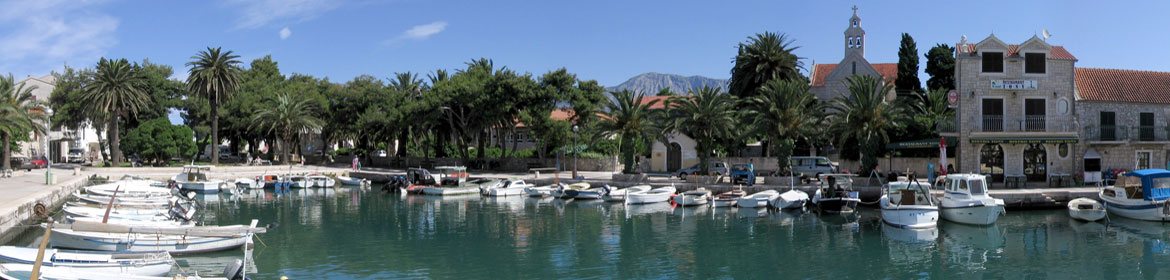
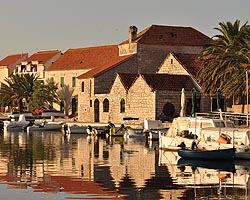
Sućuraj is a small picturesque tourist and fishermen's town. Located on the East cape of the island of Hvar (central Dalmatia, Croatia), it is surrounded by the sea on three sides and is closest to the mainland. There are 357 inhabitants in the town living mostly from tourism, fishing and agriculture. The town evolved around a deep and narrow bay in which the port lies. The main parts of Sućuraj are named Gornja Banda (Upper Side) and Donja Banda (Lower Side). Gornja Banda is located on a slight slope north of the port and Donja Banda is located on the south side of the peninsula. The architecture is typical Dalmatian with stone houses and narrow streets. The place gets its charm from the combination of blue seas of the Hvar and Neretva channel as well as the view of the Biokovo Mountain, Pelješac peninsula and the islands of Brač and Korčula.
Sućuraj is the center of the Municipality of Sućuraj, which also includes the village of Bogomolje. The town has an elementary school, a post office, infirmary with the heliport for emergencies, local Port authority office, souvenirs shops, grocery shops, restaurants, bars, a hairdresser salon, exchange office, ATM and tourist info office.
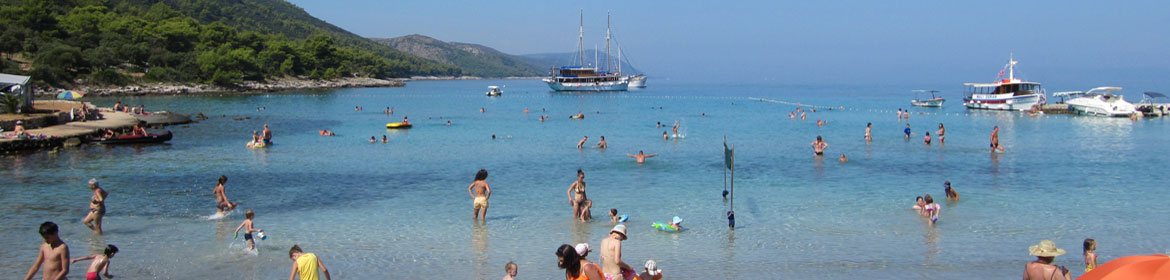
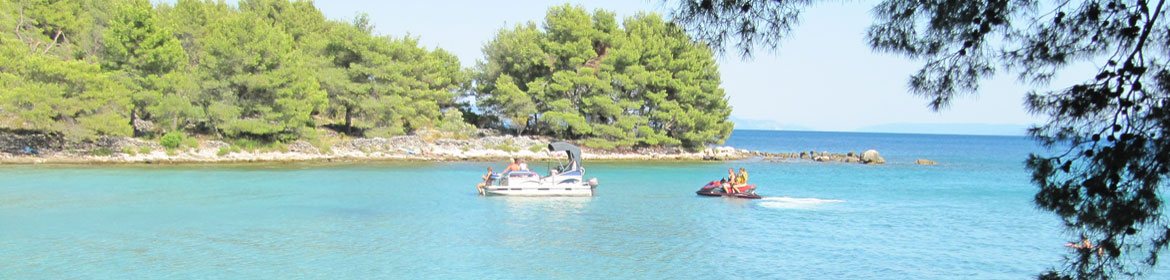
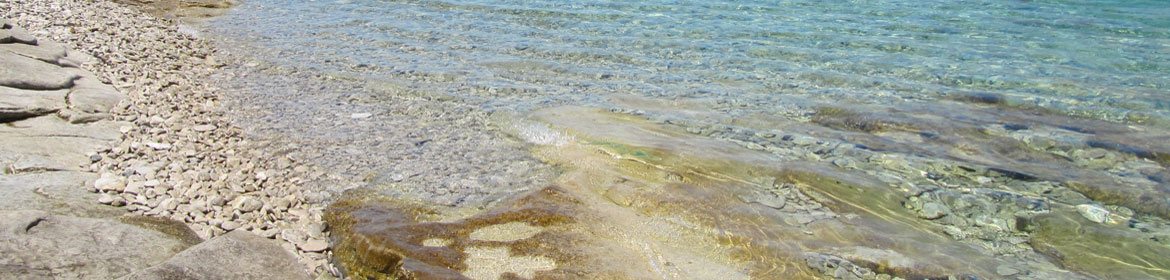
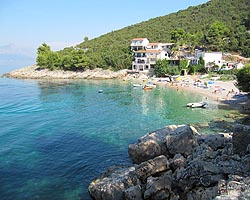
Thanks to a climate with long sunny days, beautiful scenery, crystal clear sea and temperatures suitable for swimming from May to October, makes Sućuraj an attractive tourist destination. All of those who want to spend the day swimming and or sunbathing will find the place most enjoyable thanks to its more than 25 km of coastline with sandy, pebble or rocky beaches and bays. More details...


The island of Hvar (and also Sućuraj) is well known for its mild Mediterranean climate and record number of sunny hours. The summers are dry, warm and long, and the winters are mild and short so the temperatures below 0°C are very rare. Thanks to such a mild climate, the flora and fauna surrounding Sućuraj is lush and diverse. More details...
Tourism development started in Sućuraj at the beginning of the 1960's. Hospitable people offer their guests accommodation in numerous beautiful private apartments, boarding houses (pensions), holiday houses and rooms and in motor camp in the Mlaska bay, located 4 km from the town center. Gastronomically there is an excellent choice of restaurants, inns and taverns in Sućuraj which include traditionally local specialties such as fish, crabs, shellfish, wine and olive oil, as well as a range of meats and vegetarian dishes. There is also a pizzeria and an ice-cream parlour at your disposal.


For those who wish to enjoy a relaxing pace and escape the noise, crowds and hustle and bustle of everyday life, Sućuraj is an ideal location. The pleasure is guaranteed, whether you enjoy a stroll through Sućuraj's narrow streets, a seaside walk, having your morning coffee or a refreshing drink. In the evening one can find entertainment in bars, occasional fishermen's night, and for those who prefer rock and electronic music, Sućuraj hosts the Tam Tam Music Festival. In the summer months there are some exhibitions and plays by traveling theater troops. More details...
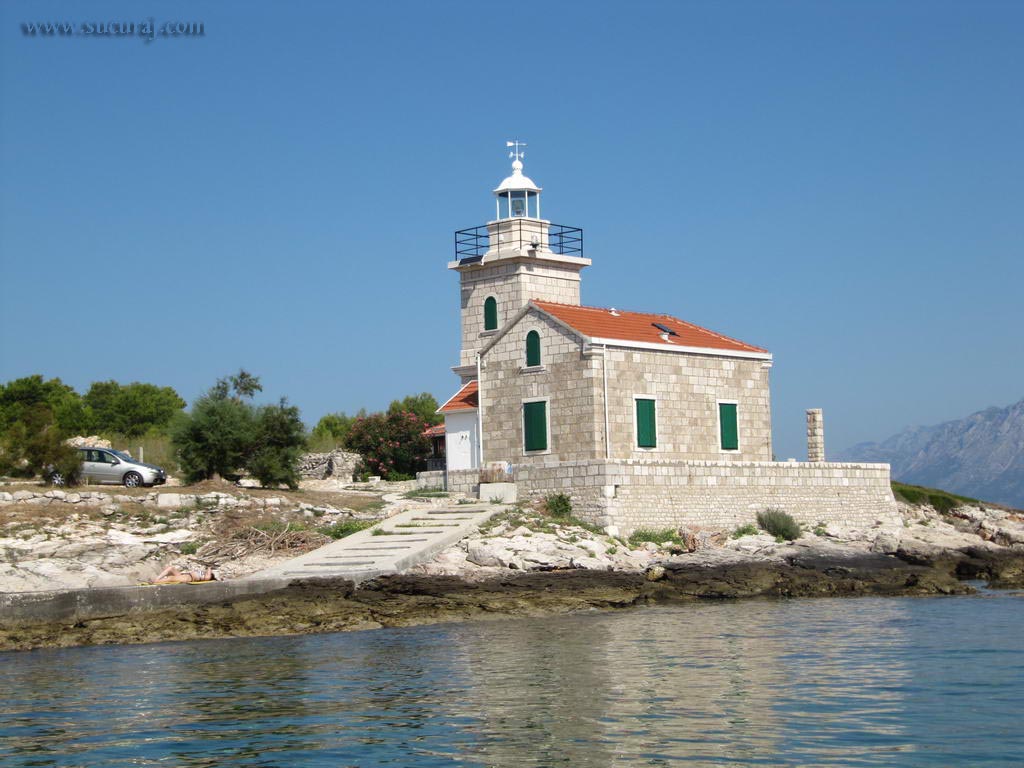
Archaeological finds testify of life in this area from the antiquities. The most important historical sights in Sućuraj are: The Franciscan monastery (once Augustinian) from the 9th century, the fort from 1613, St. Anthony's church from 1663, the lighthouse from 1889 and St. George's church from 1897, with the foundation of a much older church in its front yard. More details about history here, and about sights here.


During the tourist season there are daily boat trips. You can visit the Makarska coastline, Pelješac peninsula and the island of Korčula. The rest of the island of Hvar is best visited by car, but there is a bus and or taxi services available. The vicinity to the mainland and good transport links make one-day trips to Split, Dubrovnik and numerous other destinations in Dalmatia and Herzegovina possible. You can also rent a small boat, bicycle, scooter or car in Sućuraj. More details...
Those who love cycling, running and hiking can enjoy more than 40 km of paths and for those who love diving and fishing there is a lot of coastline available. Local football club Mladost has its own soccer field also available for all who wish to play. More details...
The people of Sućuraj are known to be skilled fishermen, olive and wine growers and the tradition remains to this day. More details about fishing here, and about agriculture here.


Infrastructure of the village: electrical power (220 V, 50 Hz), water supply (drinking water from the Cetina river and springs on Biokovo mountain), sewer system (with purification system), telephone and fast ADSL internet, mobile network transmitter with Ge network.
Sućuraj port (43°07'N, 17°11'E): located in the town centre, protected from all winds, dock length 663 meters, docks for yachts, ships and boats with connections for power and water, public toilette and shower, local port authority office.
 The island of Hvar is known for its pleasant Mediterranean climate and record number of sunny hours. Sućuraj is one of the most sunny and warmest places on the island with over 2700 sunny hours a year. Extremely pleasant climate makes swimming possible from May to October and for those a bit braver all year round. Summers in Sućuraj are dry,
  warm and long with refreshing summer winds (maestral and tramontana). Winters are mild and short with temperature rarely below 0 °C. In the winter the winds blow from the South-East (jugo), the North-East (bura) and from the Pelješac peninsula (pelišnjak). Rain is not a rare thing in the winter, but snow is. The last recorded snow that held on the ground in Sućuraj was back in 1985.
 Flora
Flora
 Thanks to the pleasant climate the vegetation surrounding Sućuraj is lush and Mediterranean. There are many palm trees (Phoenix canariensis)in the village and besides the palms, other common trees are salt cedar trees, (Tamarix) which grow by the seaside. Along side the promenade towards the lighthouse there are many agaves (Agava), a plant that has long succulent leaves and lives for many years. The uniqueness of the agave plant is that in a short period of time it grows a few meters long, beautiful flower, tosses its seeds and dies.
 Except the cultivated plants, mentioned in the site of agriculture, there is a lush, evergreen forest with a variety oh herbs, wildflowers, grasses, moss and mushrooms. Many of these plants are edible and (or) therapeutical. Most common of the bigger trees is Aleppo pine (Pinus halepensis). Other common trees are holly oak (Quercus ilex), cypress (Cupressus sempervirens), black pine (Pinus nigra) and laurel (Laurus nobilis).
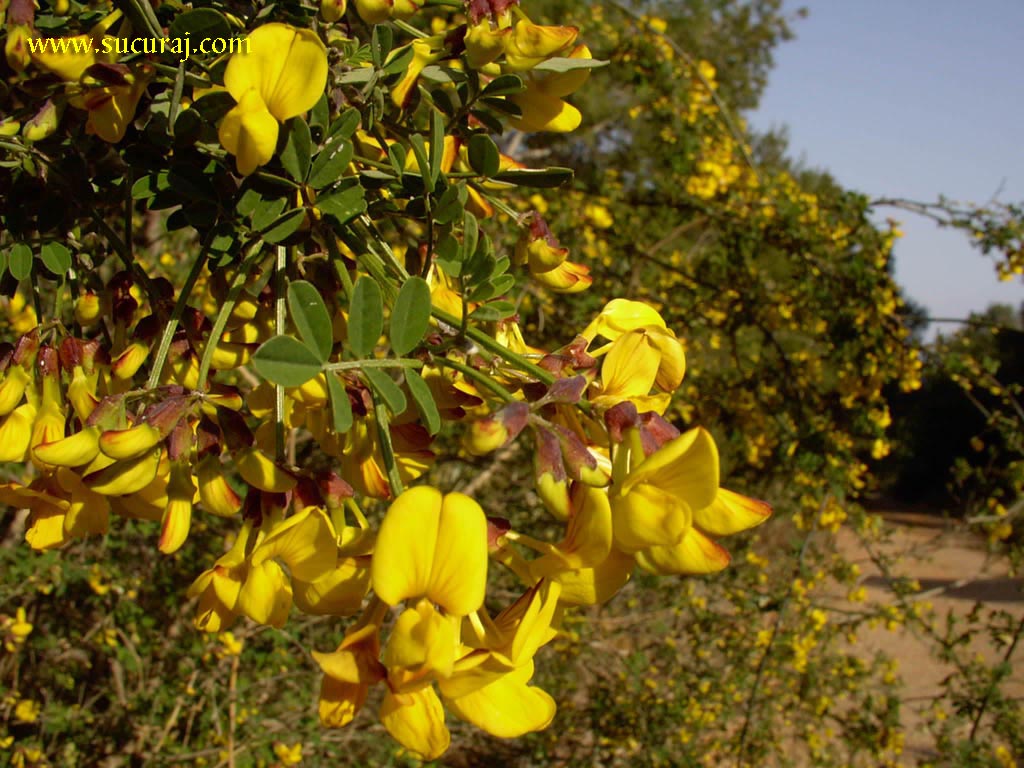 Common shrubs include myrtle (Myrtus communis), winter savory (Satureja montana), mastic tree (Pistacia lentiscus), weaver's broom (Spartium junceum) and strawberry tree (Arbutus unedo) with delicious fruit. One can also find numerous herbs in the nature surrounding Sućuraj such as sage (Saliva officinalis) which is a natural antibiotic, fennel (Foeniculum vulgare),
  oregano (Origanum vulgare), rosemary (Rosmarinus officinalis), dill (Anethum graveolens) and thyme (Thymus vulgaris). Among the wild plants there are many edible ones, most used are asparagus (Asparagus officinalis), mangel (Beta vulgaris) which can also be grown and wild endive (Cichorium pumilum).
 One of forest's most beautiful spring decorations are cyclamen (Cyclymen repandum), small flower that grows in the shadow of large trees. Wild flowers come in all colors, shapes and smells, most often among them is dandelion (Taraxacum). Herb often used in traditional folk medicine is
 St. John's wort (Hypericum perforatum), used for curing many illnesses. It is used to make tea or can be combined with olive oil to make St. John's wort oil. Excellent therapeutic tea can be made from common mallow (Malva sylvestris). Caper bush (Capparis spinosa) grows on rocky slopes and facades of old stone houses. Its unopened flower buds pickled in wine vinegar make delicious condiment.

 On the rocky shores, which are common in Sućuraj, just by the sea line grows an unique plant, Limonium cancellatum, a highly endangered and protected endemic species. On those rocky beaches also grows rock samphire (Crithmum maritimum),a tasty delicacy that requires short boiling before eating. The sea bottom is also filled with many species of algae such as green algae (Chlorophyceae), red algae (Rhodophyceae) and brown algae (Phaeophyceae). Along side them, the sea bottom is filled with underwater meadows
  of flowering sea plants such as Neptune grass or Mediterranean tapeweed (Posidonia oceanica). Those wide meadows are an important link in the sea ecosystem because they make large amounts of oxygen and therefore are called the lungs of the sea. After they have fulfilled their purpose, the leaves of this plant are tossed ashore by sea currents to make large deposits. In the area near the town, those deposits of posidonia can be found in the bottom of Perna bay, which probably got its name from it (in Croatian the plant is called "perušina").
 Largest forest animal in the area surrounding Sućuraj is the wild boar (Sus scrofa). It is not an indigenous species, but has come to the island of Hvar in the early 1990. Although many claimed that their survival was impossible due to the lack of fresh water, wild boars show to be more resilient than everybody thought . Their survival in the dry summer months can be explained by the fact that along the coast line somewhere there are fresh water springs in the sea bottom. These springs make the sea water less salty and the boars were seen drinking it. They are also excellent swimmers and highly adaptive animals. Boars are mostly active at night and cause a lot of damage to farmers (luckily they are not very fond of olives). Although some people are afraid of them, no case of attack on humans was ever recorded in Sućuraj and the surrounding area because the boars flee when they see humans. They are also an interesting prey to hunters of Sućuraj's hunting society.


 Besides wild boars, other kinds of animals can be found around Sućuraj, which include jackrabbits, martens, mongooses, bats, hedgehogs, birds, snakes, lizards, frogs, snails, insects and other small animals. Common birds that live in Sućuraj throughout the whole year are: seagull, pheasant, Eurasian eagle-owl, blue rock thrush, blackcap, sparrow, falcon, hawk and blackbird. Birds that come in autumn are: goldfinch, Eurasian siskin, European greenfinch, common linnet, hawfinch,finch etc.; and in spring swallows and swifts. Because of the vicinity of the swamp habitat in the Neretva valley, occasional guests in Sucuraj are swamp birds.Two species of birds that are interesting for their
  cohabitation
  with humans are seagulls and swallows. Seagulls (Larus) always follow fishermen and
  can also fish for themselves. Swallows (Hirundo rustica) make their nests on facades of houses and return to them every spring. They mostly feed on insects that they can catch in flight, bring up their young in the summer and, come winter, leave for Africa.
 Most common snake is a non-poisonous grass snake (Natrix natrix). Caution is necessary when dealing with common European adder (Vipera berus) and long-nosed viper (Vipera ammodytes). These two snakes possess dangerous venom, so while walking in the woods long pants and good shoes are required, as well as a lot of caution. There are not that many snakes thanks to mongooses (Herpestes auropunctatus), which were populated to the island of Hvar to hunt snakes. An animal that also hunts and eats snakes is sheltopusik, or European legless lizard(Ophisaurus apodus). Sheltopusik is a legless brown lizard from which humans can benefit in many ways. At first glance it looks like a snake, so many fear him needlessly. It can grow to 1 meter in length, and feeds on snakes, snails, field mice and insects.
 In the sea surrounding Sućuraj there are many kinds of animals that are a part of these groups: fish, sea mammals, cephalopods, crabs, shellfish, snails, sponges, polychaetes, stingers, bryozoans, tunicates and echinoderms. Most of there creatures are highly endangered by human activities. Most common fish are: sardine (Sardina pilchardus), European anchovy (Engraulis encrasicolus), European conger (Conger conger), mullet (Mullus), European hake (Merluccius merluccius), Atlantic mackerel (Scomber scombrus), chub mackerel (Scomber japonicus), golden grey mullet (Liza aurata), European seabass (Dicentrarchus labrax),
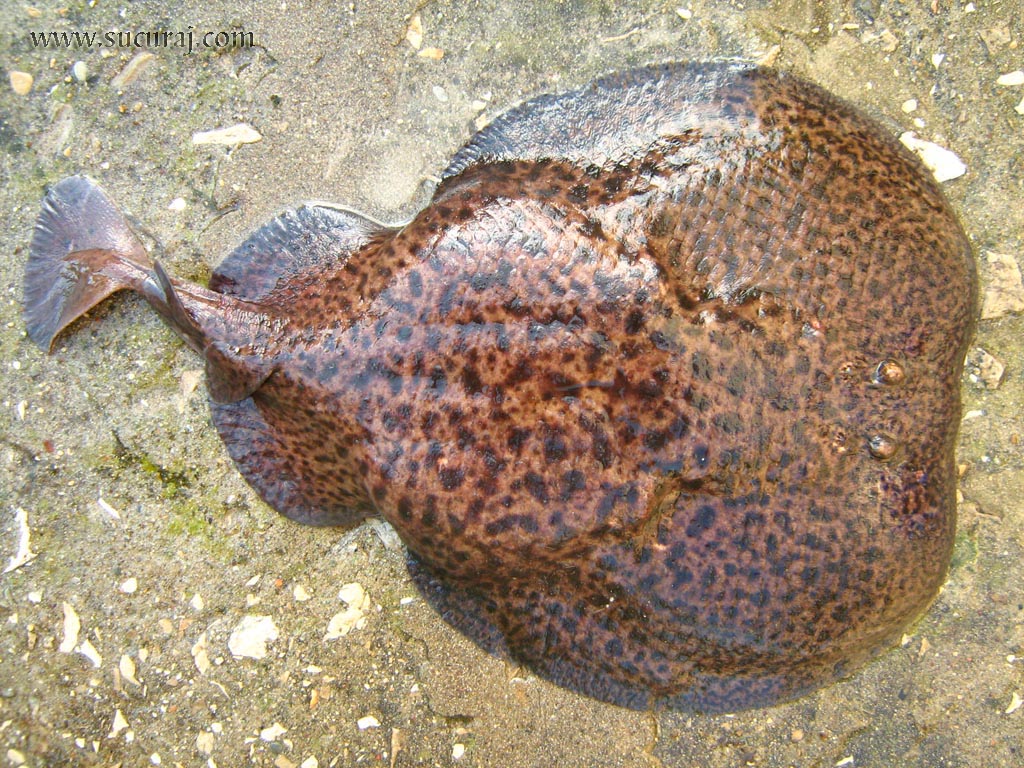
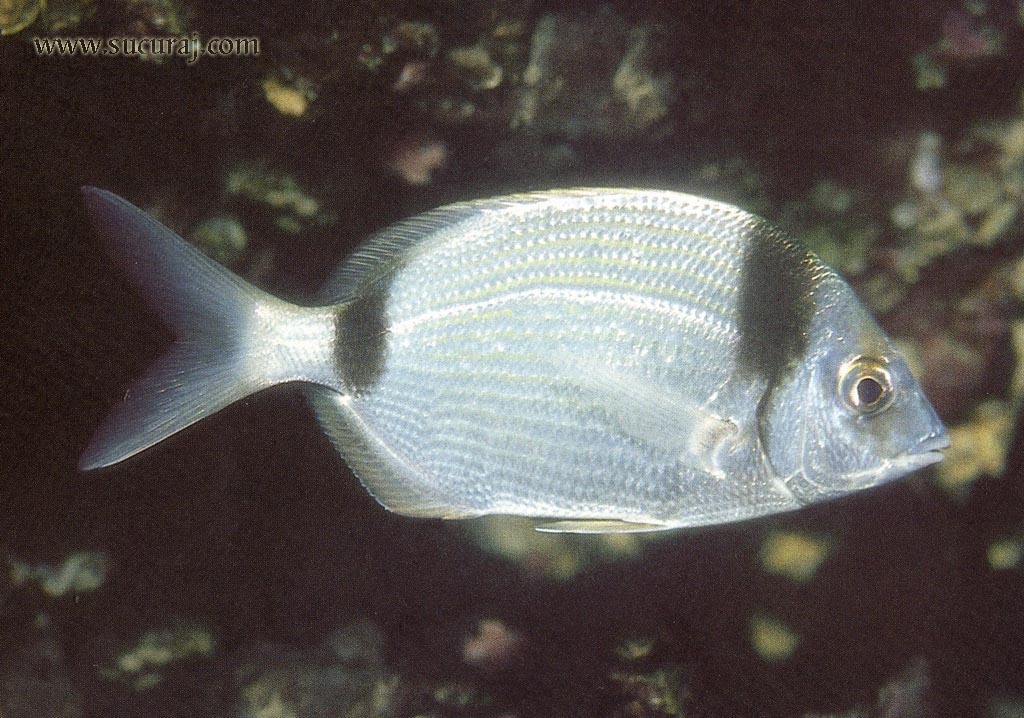
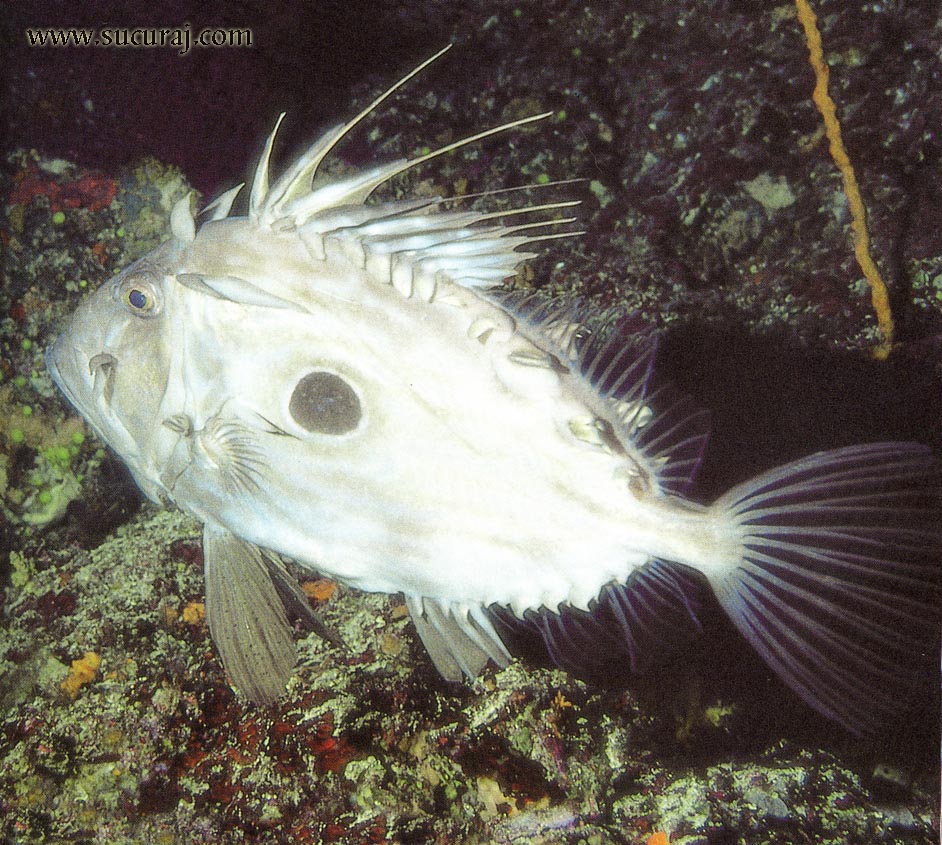
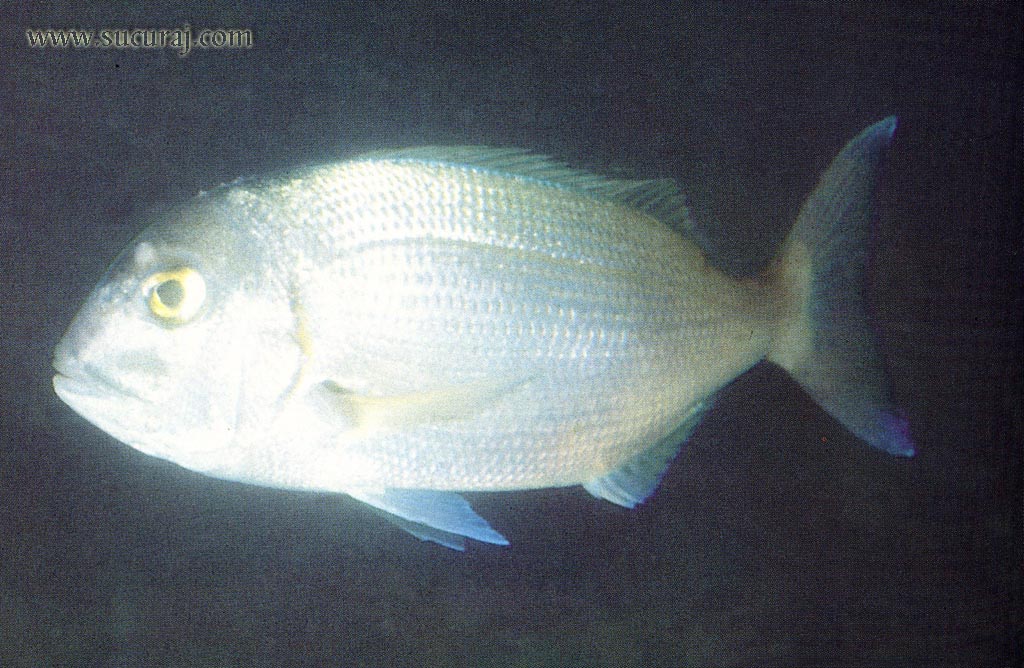
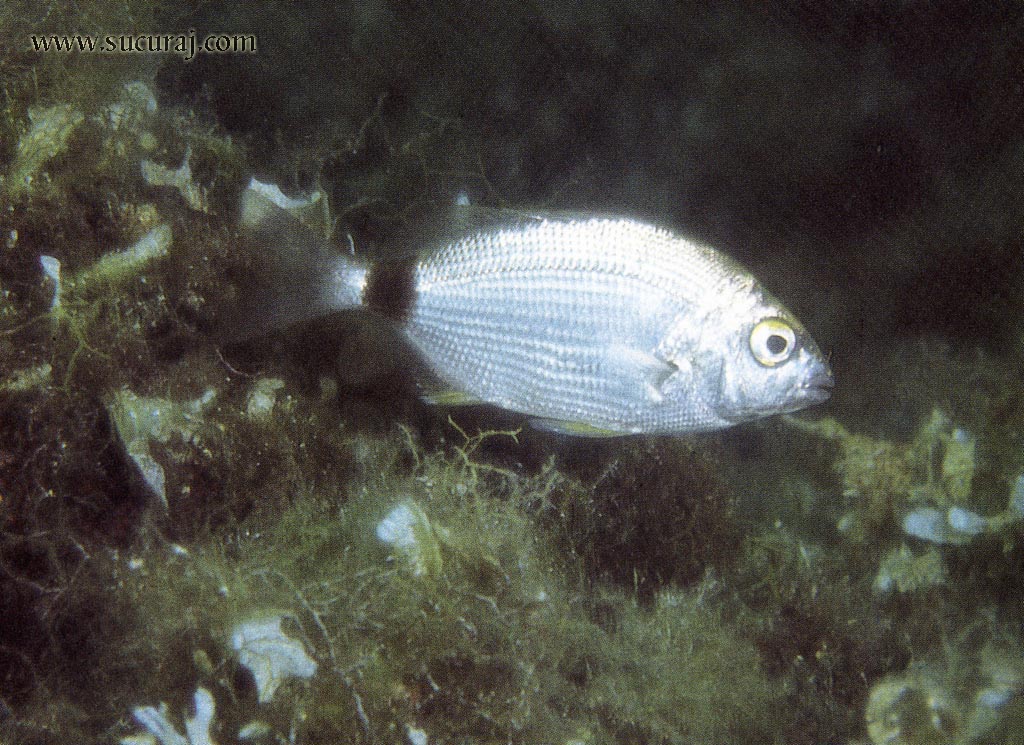
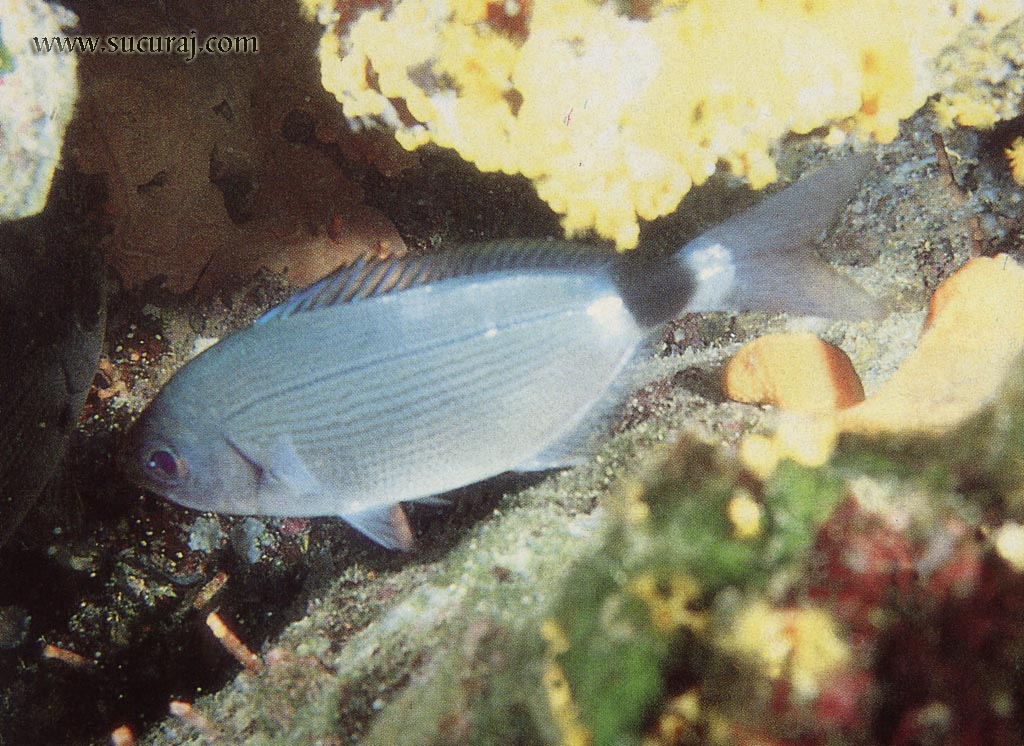
  brown ray (Raja miraletus), painted comber (Serranus scriba), common two-banded seabream (Diplodus vulgaris), John Dory or Peter's Fish (Zeus faber), greater amberjack (Seriola dumerili), gilt-head (sea) bream (Sparus aurata), tuna (Thunnus thynnus), bogue (Boops boops), red porgy (Pagrus pagrus), common dentex (Dentex dentex), white seabream (Diplodus sargus), annular seabream (Diplodus annularis), addled seabream (Oblada melanura), common pandora
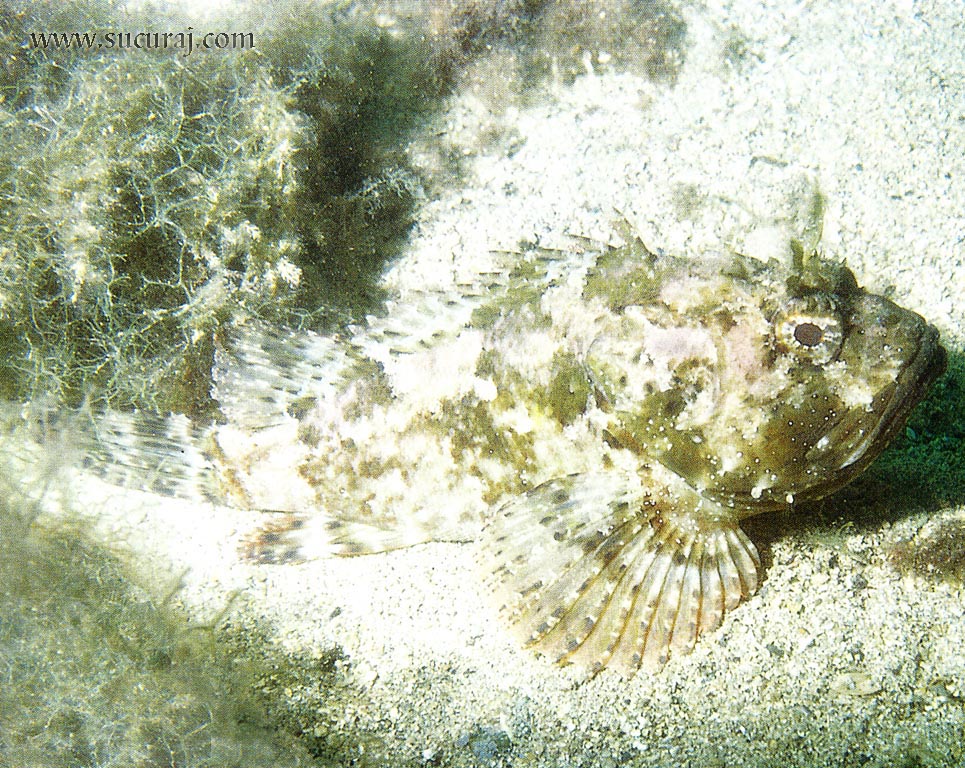
 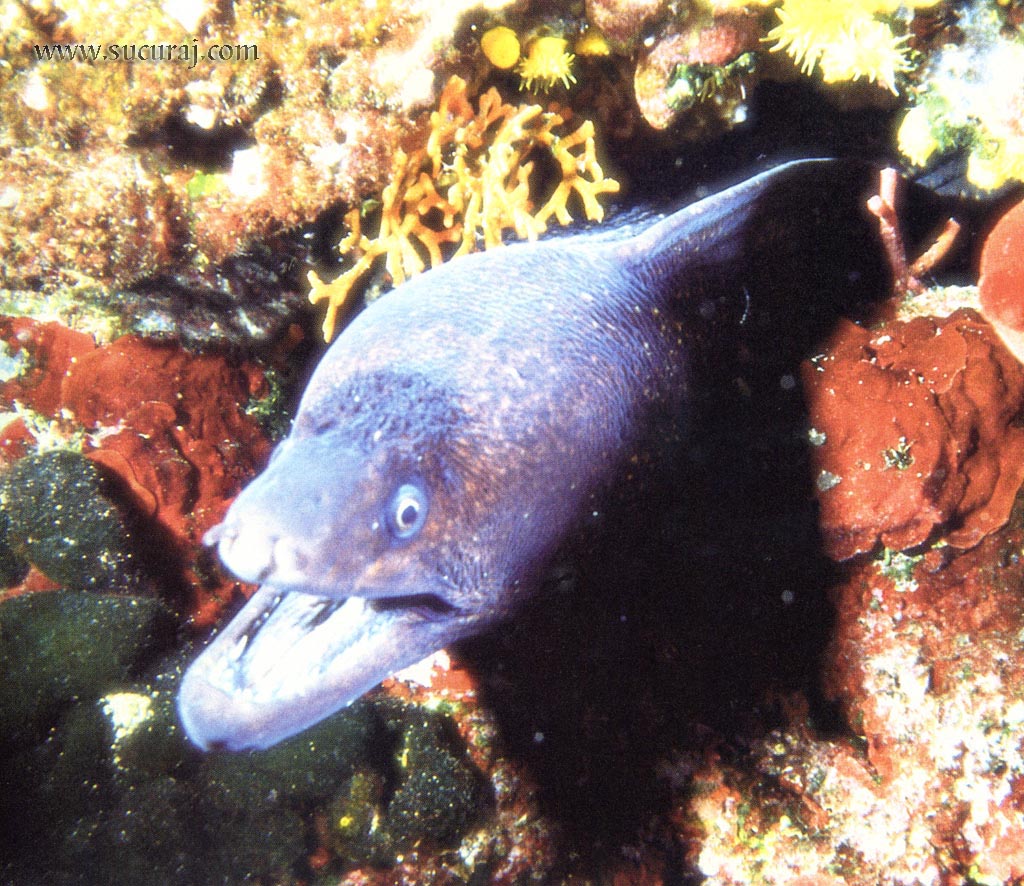 (Pagellus erythrinus), salema porgy (Sarpa salpa), Mediterranean moray (Muraena helena), greater weever (Trachinus draco), sharpsnout seabream (Diplodus puntazzo), picarels (Spicara), damselfish (Chromis chromis), Atlantic bonito (Sarda sarda), European barracuda (Sphyraena sphyraena), Mediterranean sand smelt (Atherina hepsetus), black scorpionfish (Scorpaena porcus), red scorpionfish (Scorpaena scrofa) anler (Lophius piscatorus) and common smooth-hound (Mustelus mustelus). The common smooth-hound is a shark species, not dangerous, but very tasty as well as all the above mentioned fish. Another animal that can be seen in the sea around Sućuraj is dolphin (Tursiops truncates). It is an extremely intelligent animal loved by everyone, except fishermen because the dolphins tend to destroy their fishing nets.
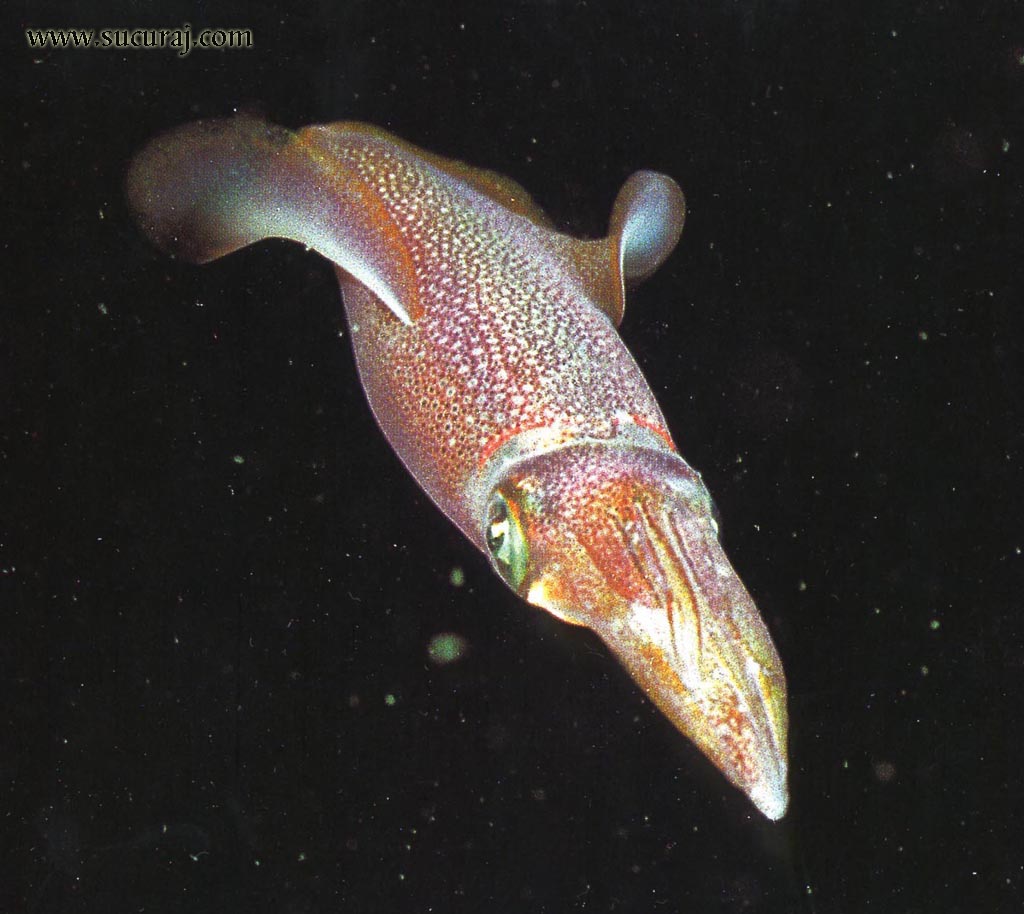 Of the cephalopods most common are squid (Loligo vulgaris), cuttlefish (Sepia officinalis), octopus (Octopus) and the musky octopus (Eledone moschata). The crabs that inhabit the sea around Sućuraj include marbled
  rock crab or marbled crab (Pachygrapsus marmoratus), warty crab or yellow crab (Erophia verrucosa), spider crab (Maja crispata), European lobster or common lobster (Homarus gammarus), rock lobster (Palinuridae), crystal prawn (Periclimenes scriptus) and common hermit crab or soldier crab (Pagurus bernhardus). Smaller crab species such as rock crab and yellow crab can be seen on the rocky sea front during tides, while soldier crabs are interesting because of their habit to occupy empty snail shells.
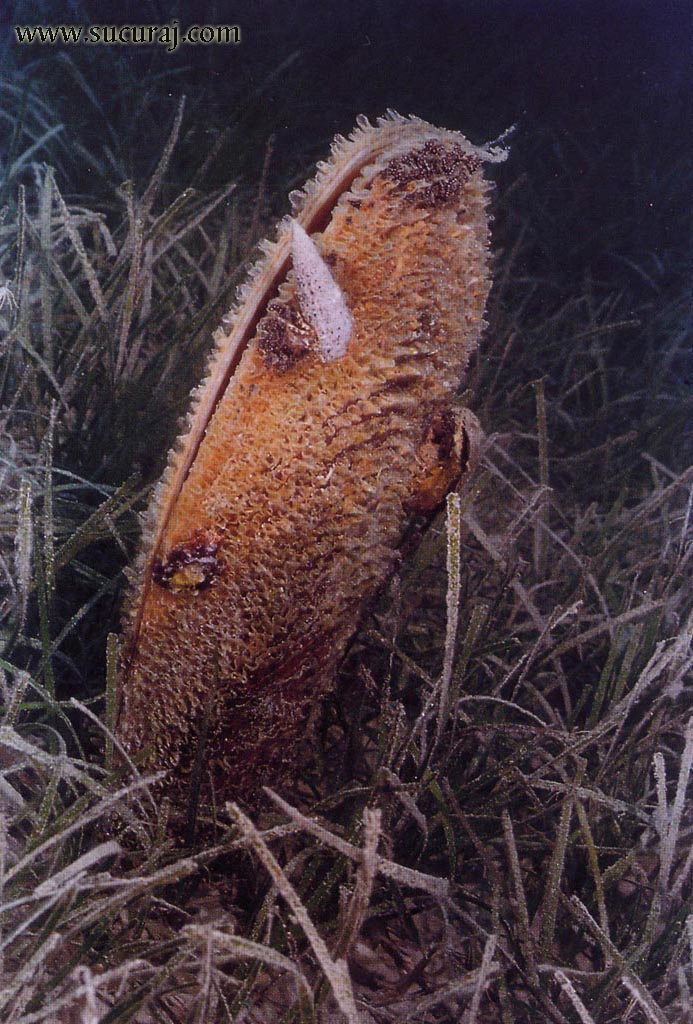 The largest shellfish that can be found in the sea around Sućuraj is noble pen shell or fan mussel (Pinna nobilis), can grow to 1 meter and is strictly protected. Besides the fan mussel you
 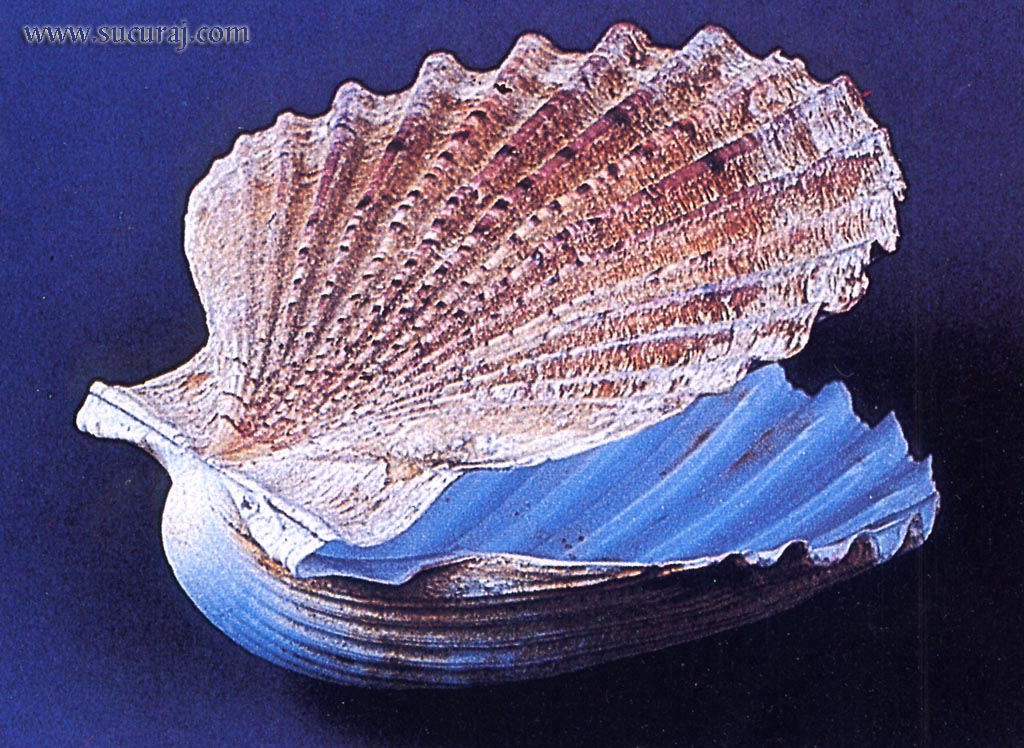 can often see other shellfish such as scallop (Pecten jacobaeus), oyster (Ostrea), Mediterranean awning clam (Solemya togata), crenulate nut clam (Nuculana pella), Mediterranean mussel (Mytilus galloprovincialis), date shell or date mussel (Lithophaga lithophaga), rough cockle (Acanthocardia tuberculata), rosy razor clam (Solecurtus strigilatus), warty venus (Venus verrucosa), smooth clam (Callista chione) and many others.
 There are also many species of snails and on the rocky beaches on the sea line you can find Monodonta turbinata, Monodonta articulata and a few species of limpet (Patella caerulea, Patella ulyssipoemsis and Patella rustica). Snails common on the sea bottom are: green ormer (Haliotis tuberculata),
 needle whelk (Bittium reticulatum, Cerithium vulgatum), brown cowry (Luria lurida), helmet shell (Cassidaria echinophora), purple dye murex (Bolinus brandaris), banded dye-murex (Phyllanotus trunculus), zoned mitre (Mitra zonata) and giant turn (Tonna galea) which is the largest of these.
 Of the echinoderms most widely spread is the black sea urchin (Arbacia lixula). It lives only in clean seas but requires caution when dealing with because it can sting which can be very unpleasant.
If you are interested in the theme of the above text and you plan to take a field trip from Sućuraj, we recommend you to visit: the Malacological Museum at the Franciscan monastery in Makarska, Ornithological collection in Metković and Natural history museums in Split and Dubrovnik.
 Greco-Italic helmet, 4th century B.C. Greco-Italic helmet, 4th century B.C.- founded near Sućuraj |
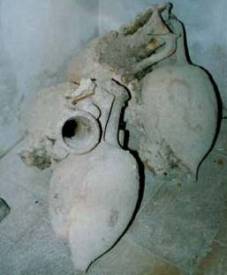 Amphorae from sunken roman Amphorae from sunken romangalleys - founded near Sućuraj |
 Part of queen Teuta wall Part of queen Teuta wallin Sućuraj |
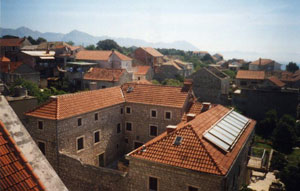 Monastery of St. August Monastery of St. Augustfrom 9th century |
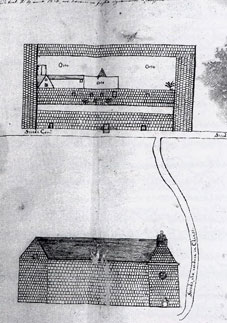 Schematic report of the old parish Schematic report of the old parishchurch and monastery from the 13th century |
 Drawing of the Sucuraj harbour Drawing of the Sucuraj harbourand fort from 1635 |
 Fort Fortica from 1613 Fort Fortica from 1613 |
 Church of St. Anthony from 1663 Church of St. Anthony from 1663 |
Sućuraj has been devastated and rebuilt several times during its history. The first known inhabitants were Illyrians, and during 7th and 8th century Croatians settled in and have been living here ever since. Many different invaders stamped their authority on Sucuraj, throughout ancient history as well as more recent times: Illyrians, Romans, Croatians, Hungarians, Venetians, French, Austrians, Italians...During the 20th century alone Sućuraj was a part of 6 different countries.
The oldest archeological finding, which gives evidence about early human presence, is a stone axe with an opening for the bracket, dating in the transition period from the Copper Age to Bronze Age and it is currently being archived in the Archeological museum in Split. From that era are also graves shaped like stone chests found on a site near Sućuraj called Umić. There has been evidence of contact with the Hellenistic culture found in shape of ceramics located in the Mlaska bay and Sućuraj port (3rd to 2nd century BC).
According to legend, the court of Illyric queen Teuta was located on the site Koščak-Oglavak near Sućuraj. She rained from 231 to 219 BC and waged war against the Romans. In favor of the legend of queen Teuta speaks a wall known as Teuta's wall and many amphorae from sunken roman galleys found on the ocean floor around the town. Ancient Illyric cemetery "Velika gomila" also gives evidence of Illyric presence. In the rectory treasury in Sućuraj there is a large fraction of white roman mosaic found on the site of present day monastery, while on the area Brigovi near Mlaska bay there are remains of roman Villa rustica with a cistern. According to historical sources these are the remains of two roman settlements.
Traditional name for Sućuraj's port is "pirate port". It has gotten its name thanks to people of Neretva Valley, one of Croatian tribes who came to the sea from the North in the 7th century. They populated the area in the Neretva Valley and Makarska's coats and very quickly became skilled seamen and pirates. Sućuraj's deep and hidden port was ideal for them. During that period, people lived on the western edge of the fields surrounding the port and perhaps in before mentioned roman settlements.
The oldest structure in Sućuraj is a monastery of Augustin's monks, probably built in 9th century and in use to this day. The monastery itself was crashed down and rebuilt several times. The sing on the main entrance tells that it was renovated in the 1309. Dating from that period are the foundations of old church dedicated to Saint George (in Croatian Sveti Juraj) from which the town got its name (Sut + Juraj = Sućuraj). The church was mentioned in the bylaw of the city of Hvar in 1331, and it was demolished due to frazzle in the late 19th century. In the vicinity of the old church new St. George's church was built.
Very turbulent period in its history Sućuraj has had from the late 15th to early 17th century, during the Venetian-Ottoman wars. Sućuraj was on the frontier of three countries. The town itself was a part of Venetian Republic, the Ottomans occupied the coastline and Pelješac peninsula was a part of Dubrovnik Republic. Many people came from the mainland fleeing the Ottomans and arrived to Sućuraj. The Ottomans attack and destroy the town on several occasions and that resulted in the building of a fort called Fortica in 1613 which is partly preserved today but was damaged in the WWII. After that the Ottomans were no longer a serious threat and the town started to develop since. Due to the occupation of Makarska's coastline, the bishop of Makarska, father Bartul Kačić Žarković, presided there. In the 17th century the bishop had the Bishop's palace built in Sućuraj but it was destroyed in the WWII, with only foundations remaining today. Immigrants from the mainland, led by Franciscans settle in the area Donja Banda, which wasn't populated by that time and they build Saint Anthony's in 1663 (preserved to this day).
In the beginning of the 19th century Sućuraj came under French rule. By the Napoleon decree from 1881 Municipality of Sućuraj was founded and this began the construction of the new cemetery (today the old one), road to the town of Hvar and street lighting was introduced. After the defeat of Napoleon, Sućuraj comes under Austrian rule. In 1817 elementary school was founded and the economy starts to develop rapidly. The post office opens in 1868 and the telegraph was introduced in 1871. Several important objects were built in the coming years: breakwater in a part of the seafront in 1870, new buildings of town hall and elementary school in 1888 (both destroyed in WWII), the lighthouse in 1889 and new church dedicated to St. George in 1897.
In the late 19th century due to an outburst of phylloxera(a disease of vines) during a few year spend almost all of the vines died. Because the viticulture (vine growing) was the most important economical area, people were suddenly left with no income, so many of them emigrate to the Americas, Australia and New Zeland in the beginning of the 20th century. After the First World War, Sućuraj was briefly a part of the Kingdom of Italy and in 1921 becomes a part of the Kingdom of Serbs, Croats and Slovenians (later the Kingdom of Yugoslavia). Although the economy was slow in its recovery during the crisis, in 1938 a sardine factory began work and was operational until 1971.
Sućuraj had its difficult time during WWII, when the town was almost completely destroyed in the bombings and the population went to war or was exiled. After the war Sućuraj becomes a part of Federal Republic of Yugoslavia, most of its inhabitants came back and the town begins to recover in spite of hardship. But due to poor economical situation, the emigration process to overseas countries continues. Faster development began during the 1960's: in 1961 the road to the city of Hvar was finished and electricity from the mainland reached the town (via the island of Brač and the electrical substation in the town of Stari Grad), in 1963 the ferry line Sućuraj-Drvenik began to operate and in 1969 the read to Hvar was paved. The tourist development started in the 1970's: new houses are being built and old ones renovated, in 1970 hotel Perna and in 1974 new ferry port were built and in 1978 car camp Mlaska opened. In the year 1986 large problem of water provision was resolved by the water supply arriving from the mainland.
In 1991 Republic of Croatia became an independent country. In the imposed Croatian War of Independence Sućuraj wasn't damaged. The municipality of Sućuraj was terminated in 1963 when the whole island of Hvar became a single municipality, but was reinstated in 1992. In 1994 the monastery was also rebuilt. In 1999 underwater optical cable was installed, which improved the quality of telephone lines and this also made fast internet connection possible, which was realised in 2008. Connection to the mainland power grid via Stari Grad was unreliable with many interruptions and voltage droppings therefore the new underwater transmission cable between Sućuraj and Drvenik was placed in 2002 which resolved the problems of power supply. Between 2005 and 2008 substantial work has been done on the sewerage system and a purifying device was installed. In the early years of the 21st century the port was edited and expanded with new nautical docks. Tourism recovered from the troubles of the last war, and private accommodation improved drastically.
For more details on the history of Sućuraj visit the following links:
1. Antique Sućuraj (Illyrians and Romans)
2. Sućuraj in the Middle Ages (arrival of Croatians)
3. Sućuraj during Venetians (fighting the Ottomans)
4. Sućuraj in the 19th century (Austria, France and the Austria-Hungary kingdom)
5. Sućuraj in the 20th century (3 wars, 6 states)
 For all of those who wish to enjoy a relaxing pace and escape the noise and crowds and stress of everyday life, Sućuraj on the island of Hvar is an ideal destination. The pleasure is guaranteed, whether you enjoy strolls thru Sućuraj's narrow streets or the seaside walk, drinking your morning coffee or a refreshing drink. In the evening one can find entertainment in bars, occasional fishermen's night and for those who prefer rock and electronic music, Sućuraj hosts Tam Tam Music Festival.
 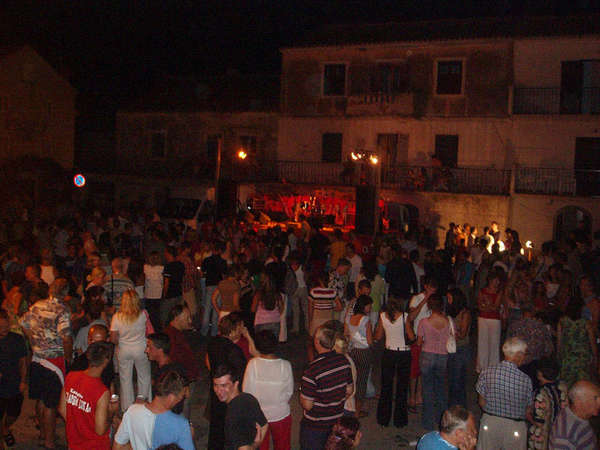 In the summer months there are some exhibitions and plays by traveling theater troops.
Fishermen's nights are held in the centre on the seafront, most often 3 times during July and August. It is a kind of folk party were local entertainer performs. The program usually begins at 6 PM, when visitors can enjoy grilled fish and wine. The party hosts a large number of people and the entertainment last long into the night. Besides food, drinks, music and dancing there is a lottery where guests can win products and services of local businessmen (dinners in restaurants, boat trips, gift packets etc.).

 Tam Tam Music Festival is a music event held since 2012 on the soccer field 1 km from Sućuraj on the road to Hvar. The main program of the festival consists of quality domestic and foreign alternative rock performers and DJs. The history of Sućuraj's underground leads back to 1997 when the first electro party was organized in an unfinished house on the edge of the town. After that there were a series of parties on local helipad, in Perna bay and other exotic places distant enough from the village so no one would complain of the noise. These events were mostly based on electronic music. In the summer of 2006 the newly formed rock bands Ludilo Škarig and The Neće
  Nikako renewed the rock scene in Sućuraj and from then on all events included electronic and rock music. The two bands afterwards formed one band called One Happy Hello which later became the band Zelena Tea, still active today. In 2008 there was a concert held at the soccer field where the stage was made from a small lorry of the TAM brand.
  From 2009 to 2011 the stage was made up from two of those lorries. On August 3rd 2012, in front of 400 visitors, for the first time the festival was held in its present form and, because of the two TAM lorries, the name was never in question – so the Tam Tam Music Festival was born.
Concerts – a few times during the summer, often in front of St. George's church, concerts are held. The concerts are mostly of serious music, chanson of traditional a cappella groups (klapa). "Klapa" is a group of 5 to 8 singers performing traditional Dalmatian polyphonic singing. Although their singing is originally a cappella, the band often uses instruments like mandolin or guitar, which gives the songs a special flair.
Exhibition – a few amateur artists are (or were) active in the village whose art is occasionally on exhibition. So far the artists who had exhibitions are: Josip Slavić, Roko Grubić, Sveten Godinović Kika, Pavao Piacun, Zlatko Jeličić, Joze Vuljan, Ivan Vuljan, Irma Ukropina and Ivica Vujnović.
Theatre performances – every summer numerous theatre troops travel the Croatian coast and some of them perform in Sućuraj. They perform in front of St. George's church or behind the school.
 You can rent a small boat, bicycle or scooter in Sućuraj. Those who love cycling, jogging and hiking can enjoy more than 40 km of paths surrounding the town.
Old paths which use to lead to olive and vine growths  have been expanded in the last few years due to cars and light cargo vehicles replacing mules and donkeys as transportation options. These paths and dirt roads are intended for farmers and fire fighters, but are more and more used for recreational purposes. These paths guide you by the sea or up hills, near the town or far from it, through olive groves or forest and allow you to enjoy unspoiled nature and interesting sights.
 The view of Sućuraj and surrounding area (Neretva and Hvar canals, with Makarska's coastline, Pelješac peninsula and the islands of Brač and Korčula) is truly attractive and makes for a marvellous scenery. The paths themselves are not marked and you should have this map.
Waters surrounding Sućuraj are most interesting because of their lush sea vegetation and marine life and those who love scuba diving and underwater fishing can find all they are looking for. And those who love fishing can choose whether to fish  from the coast or from boats. Since Sućuraj is a fishermen's town, you can find some locals to take you on a fishing trip in their boat.
 Local football club Mladost has its own soccer field on which Hvar Football League matches are being played. During the tourist season the league is paused, but the field is free for use by anyone who wishes.
 During the tourist season there are daily boat excursions organized from Sućuraj to Makarska Riviera, Pelješac peninsula and medieval town of Korčula on the island of Korčula.
On the trip you'll be served a fish dinner, and there is music and drinks  onboard. You can also enjoy many of Sućuraj's bays, accessible by car or bike, on foot or in some cases only by boat. And if you don't have your own boat, one can be rented.
The town of Hvar, Stari Grad, Jelsa, Vrbovska and other settlements on the island of Hvar are best visited by car. For those who come without a car, local bus line (Monday and Friday) or taxi cars are an option. There is also the option of car, scooter or bike rental.
Thanks to frequent ferry lines you can take interesting field trips with your car to the mainland, for instance: - Split, the biggest city in Dalmatia and second biggest in the country which can be reached in 110 minutes (30 minutes by ferry and 80 minutes by car). Split is best known for its ancient palace built by roman emperor Diocletian. Well preserved segments of the palace are now the centre of Split's Old town. In the vicinity of Split there are the ruins of Salona, antique capital of roman province of Dalmatia, Trogir – one of the best preserved towns built in roman-gothic style, Vranjača cave and the town of Sinj (known for its traditional game called Alka). On your way to Split, you can visit the town of Omiš – by which the Cetina canyon lays and Makarska, in whose vicinity is nature park Biokovo, and the town of Imotski with its Blue and Red Lake isn't far.
- Dubrovnik, a city whose center is surrounded by massive stone walls from the Middle ages. The trip will take about 150 minute (30 + 120). The thing to see on the way is the town of Ston, a small town with the longest fortification walls in Europe and the world's oldest active salt mill. And on your trip you should also visit the Neretva River valley and the Baćina lakes.
 - National park Krka, a river with large numbers of waterfalls and historical city of Šibenik, first city on the Adriatic built by Croats, located 130 minutes away (30 + 100).
- to the border with BiH reachable in 60 minutes (30 + 30). In Herzegovina, near the border, there is a well known catholic shrine Međugorje, medieval town of Počitelj, also Kravice falls and nature park Hutovo Blato. Bit farther away there is also the old town of Mostar, best known for its Old bridge.
For those who have speedboats at their disposal, one day trips to some interesting places are also available:
- National park Mljet Island
- Nature park Lastovo Isles
- The island of Brač
- The island of Vis and nearby island of Biševo with Blue cave (Modra špilja)
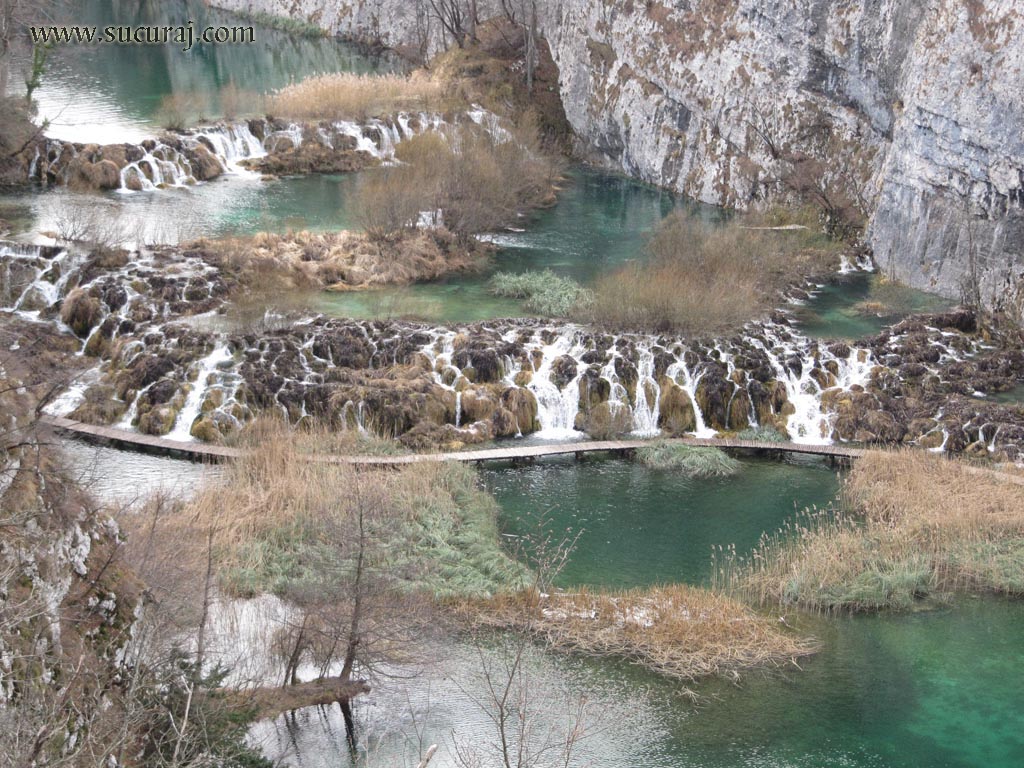
And finally, for those who come or leave Sućuraj via A1 highway or state road D1 from Zagreb, we can recommend a visit to Plitvice Lakes, the oldest, largest and most visited of Croatian national parks.


 The people of Sućuraj on the island of Hvar have always been known as skilled fishermen and the tradition lives on today. There is a fleet of a dozen trawlers, midsize fishing ships with deep sea drag nets. The net has a shape of a sack and is being dragged by the ship on the sea bottom by metal cable. The process of dragging the net takes a few hours and is called “kalada”. After that the net is lifted on the ship by a hydraulic system called “vinač”. The catch is shaken out to the stern of the ship sorted and stacked. This type of fishing is called
  trawling and takes place from dawn to sunset with the net being dragged a few times during one day. The crew consists of 2 or 3 fishermen. In the evening the catch is transported further by refrigerator cars, with a small portion being sold on the spot from ships or in the morning on the fishermen’s market. The fishermen from Sućuraj fish in the central and south Adriatic and their catch is sold in many Croatian towns and exported to neighboring countries.
 Besides trawlers, fishermen use smaller boats to fish. They are called “kaići”. The tools used in these boats are:
 - standing nets, gillnets – on top of these nets there are corks and on the bottom lead, which enables them to stand upright in the sea. The net is thrown from the boat, stands in the sea for some time and is lifted in with its catch. There are numerous kinds of these nets and those in often use in Sućuraj are called “popovice”, “prostice”, “girale” and “barakude”.
- longline called “parangal” – consists of a base string on which a shorter strings with hooks are attached in regular intervals. The bait known as “ješka” is placed on the hooks; the longline is thrown in the sea and after some time is pulled in the boat with the catch.
 - spear and light – traditional name for this kind of fishing is “under the light” in Croatian “pod sviću”. On nights when there is no
  wind one can go fishing under the light. On the bow of the ship there is a strong light most often on gas. Usually two fishermen go on this kind of fishing, one to row slightly and the other to hold the spear and watch the sea bottom, ready to hit a fish or a cephalopod if he sees one.
- squid jig called “lignjar” – which is made of a long plastic string and often two squid jigs, onto which the squid is caught. The jig is thrown into the sea and the string is released long enough for the jigs to be just above the bottom of the sea. Every so often the string needs to be pulled a bit in order for the squid to think it is alive. When the squid is caught it must be carefully pulled up on the boat. This type of squid catching is most often in Sućuraj.

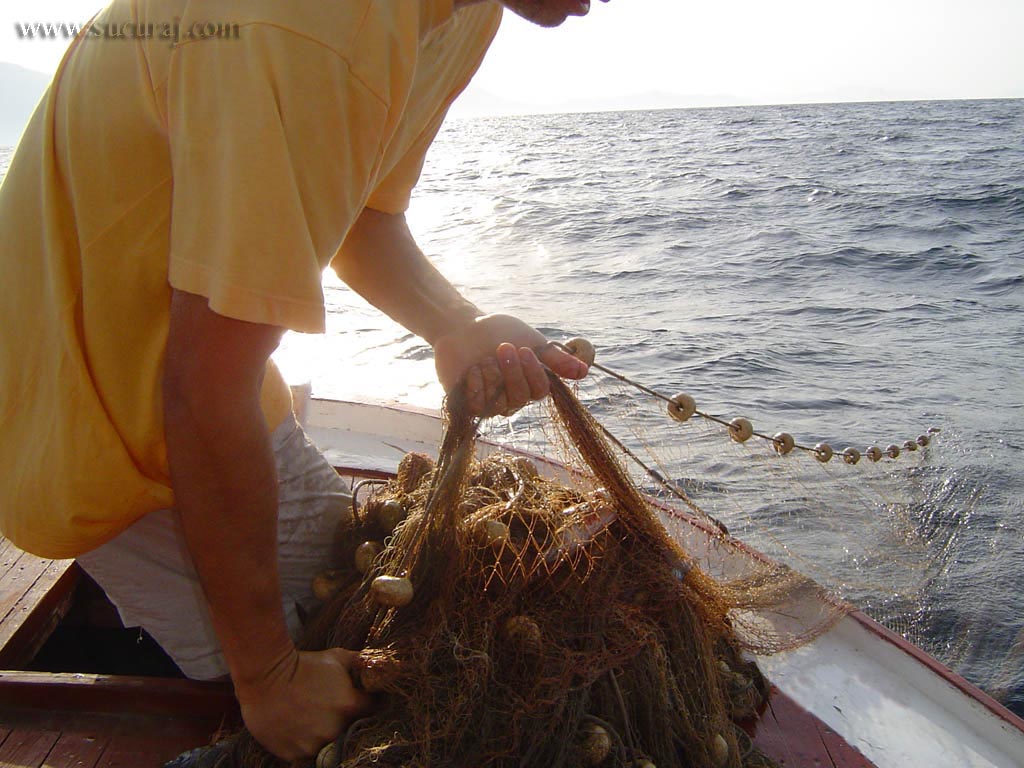 There are also many other kinds of fishing where boats are used. Almost every family in Sućuraj owns a small boat. They use them to fish either professionally, or as most, just for recreation and their own culinary needs.
In the former sardine factory (near local cemetery) which closed in 1971, there is now a factory that produces fish young. Here little fish are being “born” and after they have grown are relocated to fish farms across the Adriatic  Sea.
Sea.
The Sućuraj port is well protected from all winds and provides safe haven to all vessels that are docked inside. Within the port there is a slip for smaller boats called “navlačilo”. Here the local people pull their boats to dry land for repair and maintenance. There is also a slip near Česminica beach, at the lighthouse and in Valica bay,. Tourists can also use these slips if nescessary.
More info about fishes (and other animals) from the Adriatic Sea on our page: climate, flora and fauna.

 Like in many other places on Croatian islands and coastline, people in Sućuraj on the island of Hvar engage in Mediterranean agriculture. Working in the olive groves and vinyards are the most important agricultural activities.
In past times the importance of agriculture was far greater for people's lives than it is now. Except a fertile field just on the edge of the town, the land around Sućuraj is craggy so people had to manually remove large amounts of stone from the ground to gain arable land. That formed many long drywalls called "gomile". In between these drywalls laid parts of land that could then be cultivated, called "laz". On slippery grounds these drywalls also served as protection from erosion. One owner frequently had more than one of those parts of arable land and the division of land used to,  and still does, consider these strips of land which are often irregular in shape. Because the land was so scarce and the stone so abundant, people used wider drywalls as pathways. And often the stones were assembled in shapes of rollers called "badnji" some of which are little pieces of art. Stone was used to build
  cottages with roofs made of stone plates. Most of these houses are standard shape, with only a small portion of them shaped like cones. The cone shape of building originates from the time of the Illyrians and a house built like this in called "torijun" in Sućuraj. A lot of the drywalls and stone houses are preserved to this day, but most of them can't be seen on first glance because the forest has take over what was once arable land.
 Although more land was cultivated in the past, today many of the olive groves are being cultivated and also some of the vinyards as well. This means that agriculture is an important economical activity in Sućuraj today. During the 1990's old and abandoned olive groves started to regenerate. There is an old saying in Sućuraj, the olive tree is like a mother, she waits patiently for her children to come back to her. Olive trees can live for hundreds of years.
  When an olive grove is neglected and the forest takes over, the olive tree still lives even though it seems like the forest has won. After regeneration of the tree it doesn't take long for the crop to grow as is the case with new trees. If ,however the tree does not survive, one can gain large amounts of highly valuable firewood. Another old saying says: "Olive three is a blessed tree, it burns dry and wet".
 Most common variety of olive trees in Sućuraj, as well as in whole of Dalmatia, is oblica. It is known to be relatively unreliable (large oscillations in the amount of crop from year to year) but it gives supreme olive oil in return. The olive harvest begins usually in early November and lasts through December. Most of the people from Sućuraj are busy in their olive groves so it is a rare occasion to run into someone in the town during this period. Most of the crop is processed in mills in Sućuraj and Poljica (a village on the island of Hvar, 37 km west from Sućuraj). Olive processing in the Sućuraj's mills is done by modern technology of cold process of centrifuge.
  The old mill that was once operational in Sućuraj used traditional processing "under the press" that is grained olives were pushed by hydraulic transmission until the oil poured out. The mill in Poljica still uses this technology so some of the local people use that mill to make their olive oil. There are supporters for both of these techniques. The truth is that the oil from Sućuraj is of very high quality no matter the technology used to make it.

 Old vineyards are rare and people mostly cultivate small vine groves for their own needs. Despite this there is no shortage of domestic wine because those families who don't have enough of their own grapes buy them from other places on the island of Hvar or on the mainland to make their own wine the traditional way. On the ground floor of most traditional Dalmatian houses (and even some new ones) is a special section called the "konoba".This special space is used to store olive oil, wine, domestic produce, farming and fishing tools, fishing nets....It is also used to make wine the traditional way.
  The only serious winemaker in the town is "Vujnović Celler" (Podrum Vujnović), who for years now produces supreme, quality and table wines: red Ivan Dolac, Plame and Sućuraj; white Prč and Oka Vina and rosé Opol. In 2014 Vujnović family planted a new, 4 hectare large, vine grove above Mrtnovik bay, with 24 000 vines of Prč, Pošip and Plavac mali vine varieties. Prč is variety of white grapes indigenous to Sućuraj and was drunk on the court of the emperor Franz Joseph.
 Besides olive oil and wine, there are many kinds of traditional strong alcoholic beverages made in Sućuraj. These beverages, called "rakija", are made by distillation from grapes and in most cases with added herbs or fruits to give them a unique and often sweeter flavour. Other traditional produce include figs, carob and honey. The figs ripen during August and are eaten fresh or dried. Dry figs are a delicacy that everyone should try.
  A few people in the village keep bees and thanks to many essential herbs that grow near the village bees make quality honey, of which sage honey is most popular. People in the village for their own needs also grow variety of crops such as: lemons, oranges, tangerines, pomegranates, almonds, potatoes, tomatoes, cucumbers, peas, broad bean, green beans, onions, garlic, lettuce, cabbage, Dalmatian cabbage, silver beet etc.
Hvar - the longest and the sunniest Croatian island
Hvar is the longest island in the Adriatic Sea with its 68,2 km. It is a part of the Middle Adriatic island group and with its 299,6 km2 is the fourth largest island in the Adriatic Sea The highest peak on the island is St. Nicholas at 628 m, which makes it the third highest peak of the Adriatic islands. The west part of the island, with the largest width of 10,5 km, is more massive and wider than its east part.


The island of Hvar is a part of the Split-Dalmatian county in the Republic of Croatia and has 11 077 inhabitants (2011.). It is divided in 4 administrative parts, from west to east: town of Hvar, town of Stari Grad, municipality of Jelsa and municipality of Sućuraj. The town of Hvar (4251 inhabitants) is consists of following settlements: Hvar (3771), Brusje (194), Sveta Nedilja (131), Milna (104), Jagodina (30), Zaraće (14) and Velo Grablje (7). The town of Stari Grad (2781) is consisted of these settlements: Stari Grad (1885), Vrbanj (498), Dol (311), Rudina (70) i Selca by Stari Grad (17). In the municipality of Jelsa there are: Jelsa (1801), Vrbovska (548), Svirče (407), Vrisnik (190), Zastražišće (177), Zavala (156), Gdinj (133), Pitve (69), Poljica (59), Ivan Dolac (39) and Gromin Dolac (3). In the municipality of Sućuraj there are three settlements: Sućuraj (357), Bogomolje (100) and Selca by Bogomolje (6). On the island of Hvar there are currently two settlements without any permanent inhabitants, Malo Grablje (town of Hvar) and Humac (municipality of Jelsa).


Archaeological site Grapčeva cave near Humac gives evidence that the island of Hvar was inhabited 7000 years ago. In 384 BC Greek colonizers from the island of Paros founded the town of Faros on the site of modern-day Stari Grad, while the rest of the island was populated by the Illyrians at that time. The whole island of Hvar got its name, somewhat altered, after this colony. Romans ruled the island after the Illyrians and the Greeks, and later in history many rulers, kingdoms, empires and republics changed on the island. In the 7th and 8th century the island was inhabited by the Croats which make 95,5 % of the population today. Faros (Stari Grad) was the most important town on the island until the founding of Hvar commune in 1278, when the town of Hvar took precedence. Many historical monuments testify to the importance of the island and its turbulent history.


The island of Hvar is connected to mainland by ferry and catamaran lines. Ferry lines Split - Stari Grad and Drvenik - Sućuraj sail throughout the whole year multiple times a day. During tourist season ferries from Italy dock in Stari Grad and also a ferry on coastal line Rijeka - Split - Stari Grad -Korčula - Dubrovnik. Catamaran lines Split - Hvar - Korčula and Split-Bol-Jelsa sail during the whole year, and in tourist season additional lines are introduced. State road D 116 Hvar - Sućuraj, 77 km in length, is the main road on the island, and besides it there are different local roads. There are four gas stations on the island: two in Jelsa and one in Hvar and Vrbovska. Both of the stations in Jelsa are for road vehicles, the station in Hvar is for road and sea vehicles, while the one in Vrbovska is for sea vehicles only. The main ports on the island are: Hvar, Stari Grad, Sućuraj, Jelsa and Vrbovska, and there are two nautical marinas, one on Palmižana (Pakleni islands near the town of Hvar) and another in Vrbovska. A small sport airport is located on a field near Stari Grad.
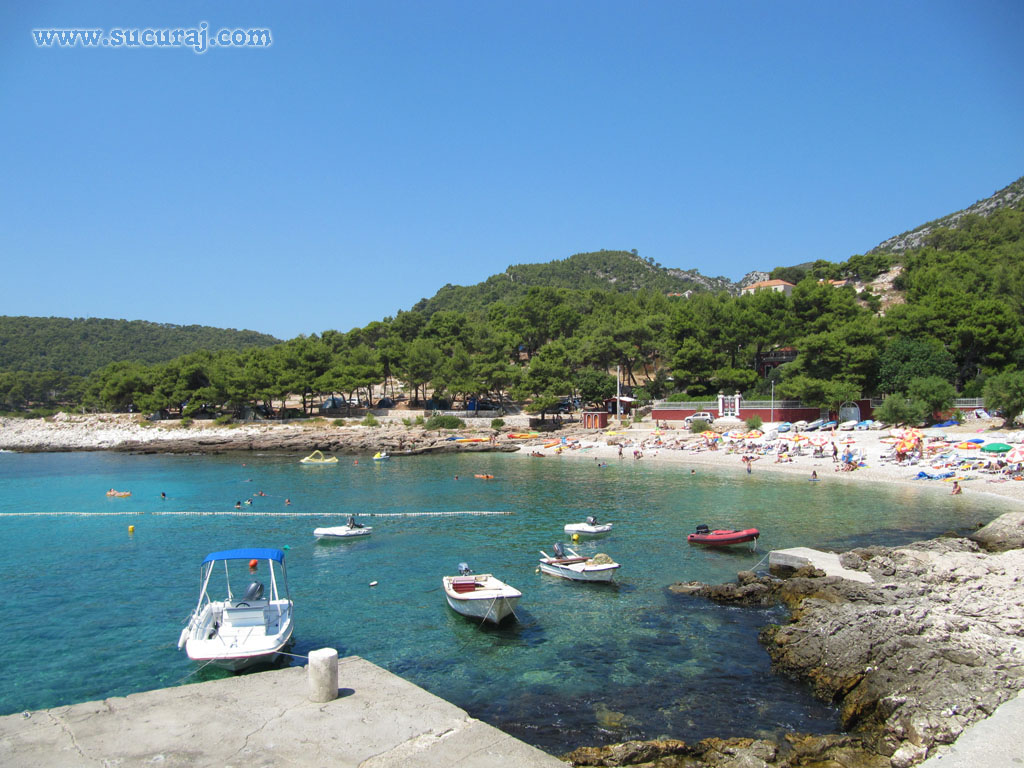


During the long history of this island, the population had always been engaged in fishing and agriculture, and since 1868 organized tourism started to develop, which is the most important source of income for most people today. Most significant agricultural products are wine, olive and lavender oil. Thanks to a record number of sunny hours and clean, unpolluted nature all agriculture products from the island of Hvar are of supreme quality. Island's cuisine is based on healthy home made food, especially on fresh fish and olive oil. Tourist find the island attractive mostly because of its untouched nature, many picturesque beaches and bays, crystal clean sea, pleasant climate, historical and cultural landmarks, good healthy food, entertainment, quality accommodation, friendly hosts and pleasant and relaxing atmosphere of the entire island.


When you take the road towards the rest of the island, the first place you come across is Selca, then Bogomolje, Gdinj, Zastražišće and Poljica. These are all small villages whose historical parts aren't on the sea, but only a few kilometres south and north there are many bays with some houses within and beautiful beaches. Several km after Poljica you can turn to eco-ethno village Humac, in the vicinity of which Grapčeva cave is located. The cave is an important archaeological sight from prehistory. It is lighted so the visitors can enjoy the beauties of the underground.
After a 51 km drive from Sućuraj you will come to the first larger settlement – Jelsa. Jelsa is a small tourist town with many catering facilities, beaches and other entertainments. Most famous of Jelsa's sights are: Tor (massive fort from 4th century BC on a hill south of Jelsa), St. John's church with square (an octagonal church from the 15th century), parish Church of St. Mary's Assumption (14th century), Park (from 1870) and Pjaca (the main square in the town with a stream Slatina on the west side).


After Jelsa you can go on the main road to the west or to the south. On a hill southwest of Jelsa there are four small villages: Pitve, Vrisnik, Svirče and Vrbanj, mostly known for their production of quality wine. From Pitve to the south side of the island leads a narrow tunnel Pitve - Zavala, carved in stone and 1400 meters long. Zavala is a village closest to the tunnel exit and a bit to the west there are Ivan Dolac and Sveta Nedilja. On the steep slopes above these settlements there are many vineyards with quality grape varieties, of which most famous is Plavac mali. This part of the island is also famous for its pebble beaches that attract numerous tourists. In front of Zavala there is a small island Šćedro and above Sveta Nedilja there is a highest peak on the island Sr. Nicholas.


If you continue from Jelsa on the main road to west, after 2 km you will get to a turn to Vrbovska. Vrbovska is a small town located deep in a narrow bay. It is especially interesting because of its stone bridges that connect two parts of the village. You can enjoy a number of beaches in Vrbovska. And also something worth doing is a visit to a 16th century fortified church, a parish church of St. Lawrence from the 15th century and a Fishing museum. On UNESCO Word heritage list is a procession called "Za križen" (Fallowing the Cross) which is held every year in the night between Maundy Thursday and Good Friday. People from the parishes of Jelsa, Pitva, Vrisnik, Svirče, Vrbanj, Vrbovska and their guests participate in the procession.

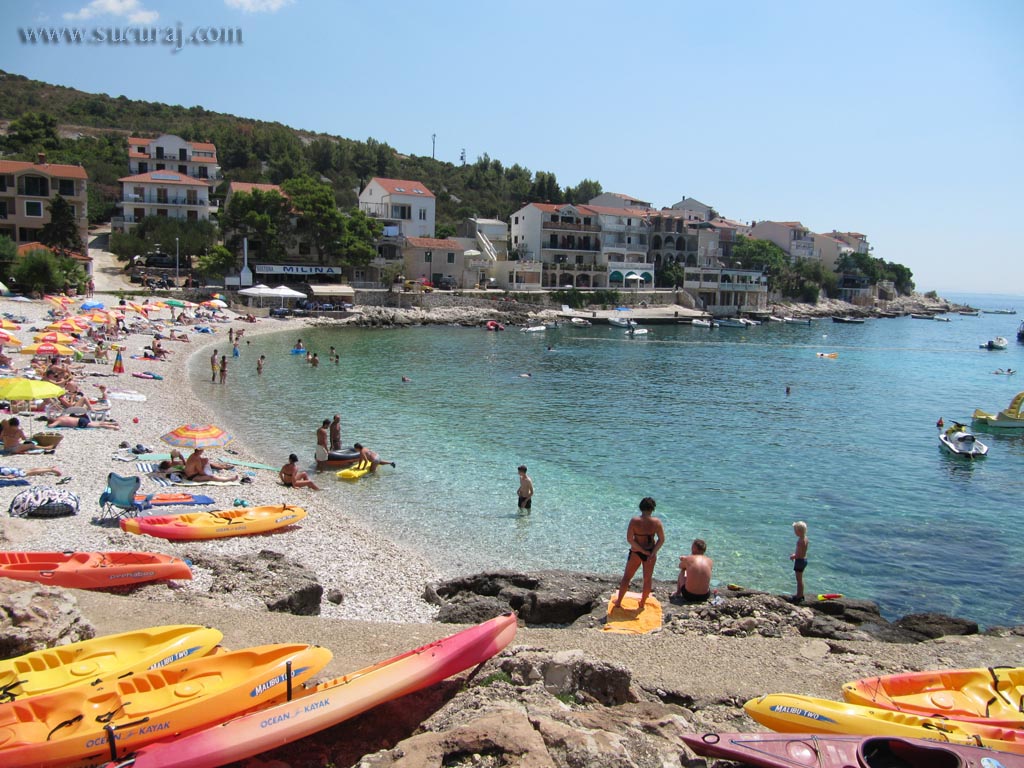

After you return from Vrbovska on the main road and head west, you come to Stari Grad, the antique Faros, 61 km away from Sućuraj. Stari Grad is the oldest settlement on the island of Hvar and a known tourist destination. It is located in a deep bay (Starigrad bay) on whose north side lays a rugged coastline of the Kabal peninsula with many beaches and bays. The field of Stari Grad (east of the town) is also listed on the UNESCO World heritage list because of its antique land subdivision system. Of historical sights in the town itself most important are: remains of antique Faros (4th century BC), parish church of St. Stephen (built in the beginning of the 17th century on the location of former cathedral which was the first Croatian cathedral), and Tvrdalj (fortified castle of poet Petar Hektorović from the 16th century). A few kilometers south of Stari Grad is a village Dol and north village Rudine.
There are two roads leading from Stari Grad to Hvar. If you choose the main road, you need to pass through the Selca - Dubovica tunnel (1516 meters long) which will lead you to the south side of the island. Then you pass above a few bays and the village Milna. If you choose a side road, you pass through Selca by Stari Grad, Grablje and Brusje. This road goes over the hill and provides magnificent views on many stops along the way.
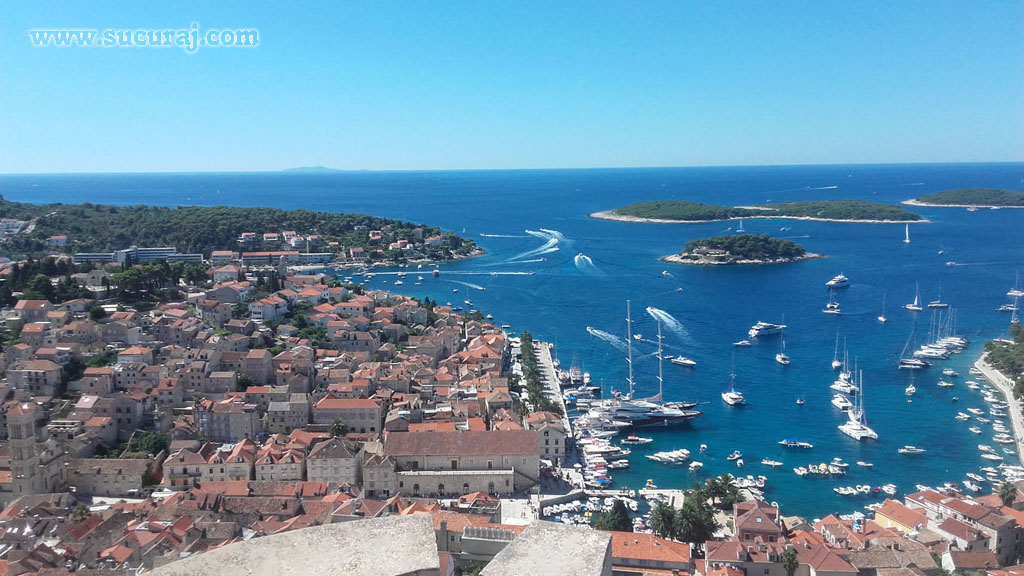

The town of Hvar is 77 km away from Sućuraj via the main road. It is the largest settlement on the island and its tourist, administrative and ecumenical centre. It is especially famous for its cultural and historical sights, as well as for its entertainment and gastronomic delights and beaches on Pakleni islands. Pakleni islands are a group of small, rugged islands southwest from the town. Most attractive sights of the town of Hvar are: St. Stephen's cathedral (from the 16th century), the square in front of the cathedral (the largest square in Adriatic islands), Fortica fortress (built in the beginning of the 16th century on a hill above the town), theater building (from the beginning of the 17th century, is one of the oldest theater buildings in Europe and the first public theater in the world, located near the arsenal), city hall (from the 15th century, former governor palace) and Franciscan monastery (built in the 15th century, with a museum containing paintings and many other historical objects). Except the "Za križen" procession, which is a notability of the whole centre part of the island, on UNESCO World heritage list there is also Hvar's lace made of agave trees made by the nuns of the St. Benedict monastery in Hvar.
Besides the above mentioned sights, the town of Hvar is known for its narrow stone streets called "kale". A walk through these streets is enjoyable and gives an authentic experience of Dalmatian architecture. Like in Hvar, you can walk through the streets in Stari Grad and Jelsa.
More information and photos about the island of Hvar can be found on Island-Hvar.info.



www.sucuraj.com
• Home
• Sućuraj info
• About Sućuraj
• News
• Sights
• History
• Climate,flora and fauna
• Entertainment and culture
• Sport and recreation
• Excursions
• Fishing
• Agriculture
• Gastronomy
• Beaches and bays
• Česminica beach
• Bilina beach
• Mlaska beach
• Perna bay
• More beaches and bays
• Accommodation
• Apartments
• Houses and villas
• Rooms
• Travel info
• How to reach us?
• Ferry timetable
• Maps
• Island of Hvar info
• Gallery
• Panorama
• Beaches
• Other
• Links
• About us
• FC Mladost
• Association Pelišnjak


Sucuraj homepage - island of Hvar, Croatia


About us - Contact
Site-map
Copyright © www.sucuraj.com
Since 2001
 English
  Slovenščina